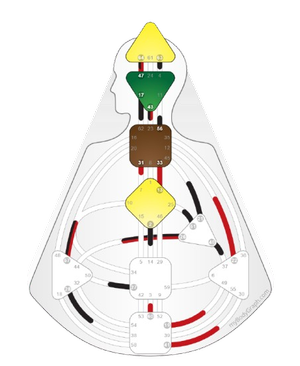
Time Alone
The more time you spend alone, the more you begin to recognise yourself.
Not the version shaped by expectation, nor the version that responds to pressure, but the one that exists underneath the noise.
Time alone is not about withdrawal from life; it is about removing interference.
Modern life rarely allows this. We are constantly orienting ourselves through others; their needs, their opinions, their pace, their emotional states. Over time, this creates confusion, not because something is wrong, but because the self is never given space to re-establish its own reference point. Aloneness restores that reference.
Aloneness is not loneliness
Loneliness is an emotional experience. Aloneness is a functional state.
It is the absence of external input long enough for the body to settle and for inner signals to become audible again. In this space, there is no demand to respond, perform, explain, or adjust. Nothing is required.
For many people, especially those who are sensitive, burned out, or overstimulated, aloneness is not a preference; it is a biological and energetic necessity.
Where direction returns
When you are alone, pressure drops, you are no longer reacting, no longer compensating, nor negotiating who you need to be. This is often when direction quietly returns, not as certainty, but as orientation. The body begins to recalibrate. Thoughts slow, and decisions no longer feel urgent.
This is not something you can force; it simply happens because space allows it.
Waking up as yourself
Many people do not realise how rarely they experience themselves without influence. They wake up already oriented toward obligation, comparison, or expectation. Spending time alone interrupts that pattern. It allows you to wake up as yourself, not in an idealised sense, but in a practical one. You notice what you need. You recognise what is no longer sustainable. You become aware of what feels correct or incorrect without needing justification. This is not insight. It is recognition.
A necessary pause
Aloneness is not meant to last forever. It is not an escape. It is a pause, one that allows the self to reset before re-engaging with the world.
Without it, exhaustion accumulates. With it, however, something essential is preserved.
Time alone is not a luxury; it is part of how you remain yourself.
Explore the Digital Collection for private audio guidance on pressure, decision-making, and restoring internal steadiness.
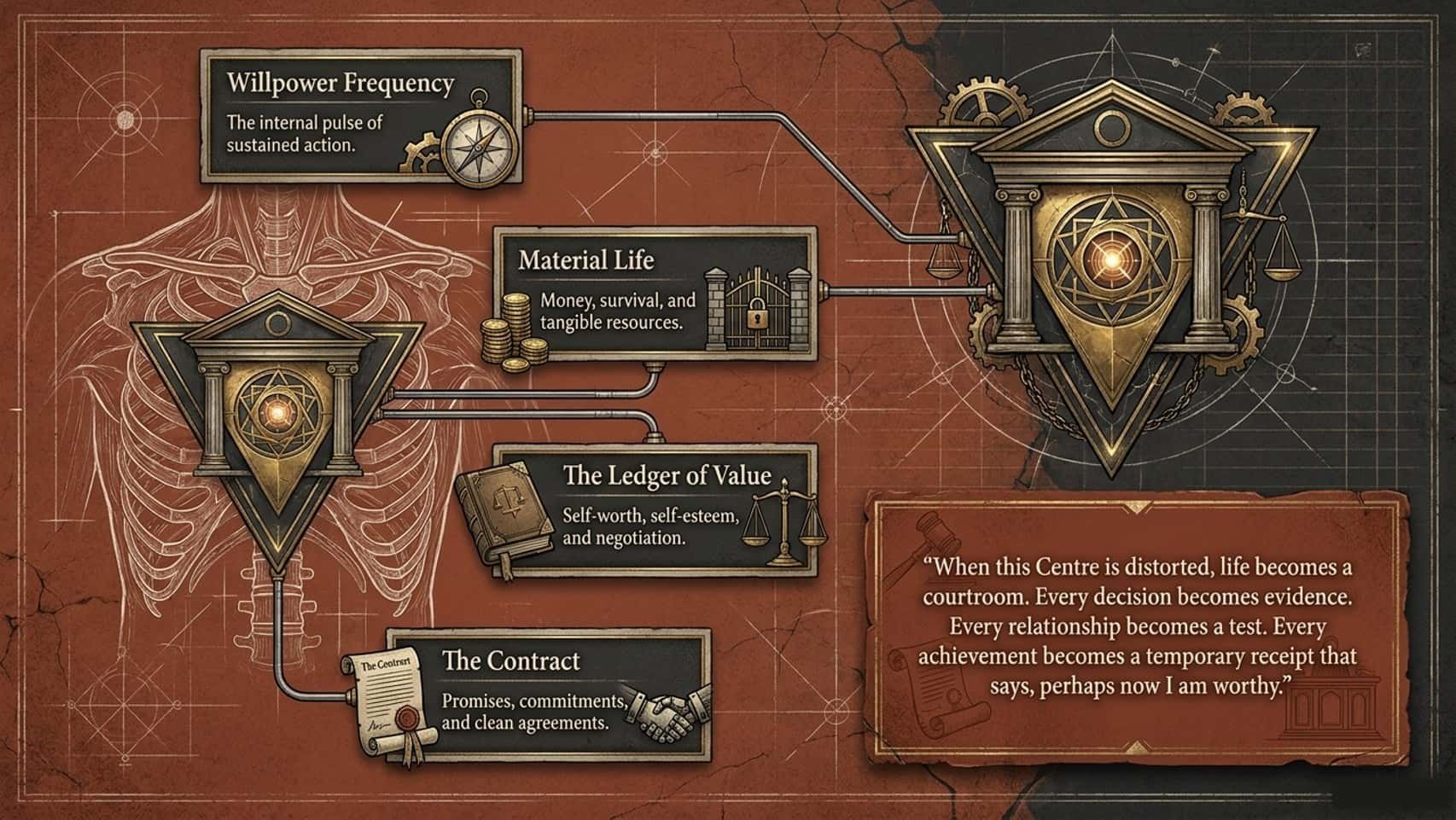
There is a debt you are paying that you never signed for.
In the high-performance world, self-worth is often traded as a public currency. We have been conditioned to use our bodies as evidence of our value to the tribe, a distortion that turns the Heart Centre into a subterranean courtroom.
Listen to this 5-minute case study to meet the "Oath-Maker" and discover why a physical discomfort can actually be a steady compass guiding you back to your authority. It is time to stop paying with your life force.

Operating without the precise layout of your unique Inner Authority is an operational mess. Whether you are a Defined Emotional system sabotaging your command through impulsive reactions, or an Open Emotional system bleeding power by reaching to environmental chemistry, emotional pressure is not a spontaneous authority. Discover the unyielding mechanics of emotional timing, boundary mastery, and true psychological sovereignty under pressure. Be your own authority.

Not every invitation is correct. This article explores a Projector’s somatic resistance before a family event, and how the body can register misalignment before the mind has proof.

Some exhaustion is not caused by lack of rest. It is the accumulated cost of decisions the body has been resisting. This article explores the somatic ledger, burnout, inner authority, and the hidden mechanics beneath chronic strain.
Many high-functioning adults feel constantly on edge and assume something is wrong with them. Often, the body is responding to prolonged instability and internalised pressure. This article explains why tension has become so common.
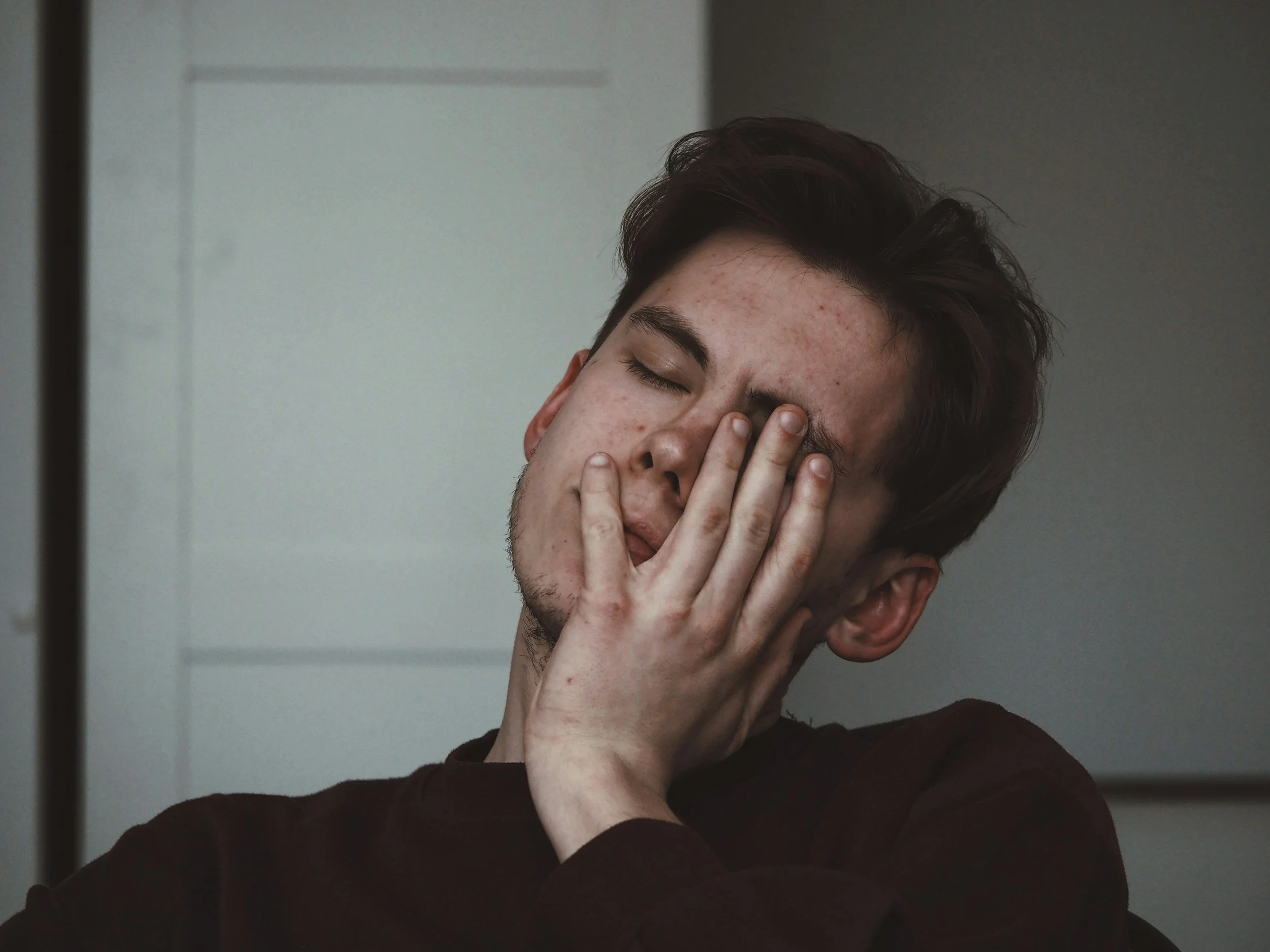
Burnout often begins with decisions that looked right publicly but felt wrong privately. This article explores hidden strain, costly choices, and why success can become exhausting when built against your own design.

Many people are not lazy or broken; they are trying to create movement through the wrong mechanism. This article explores overthinking, paralysis, and why the body may already know how to move before the mind does.
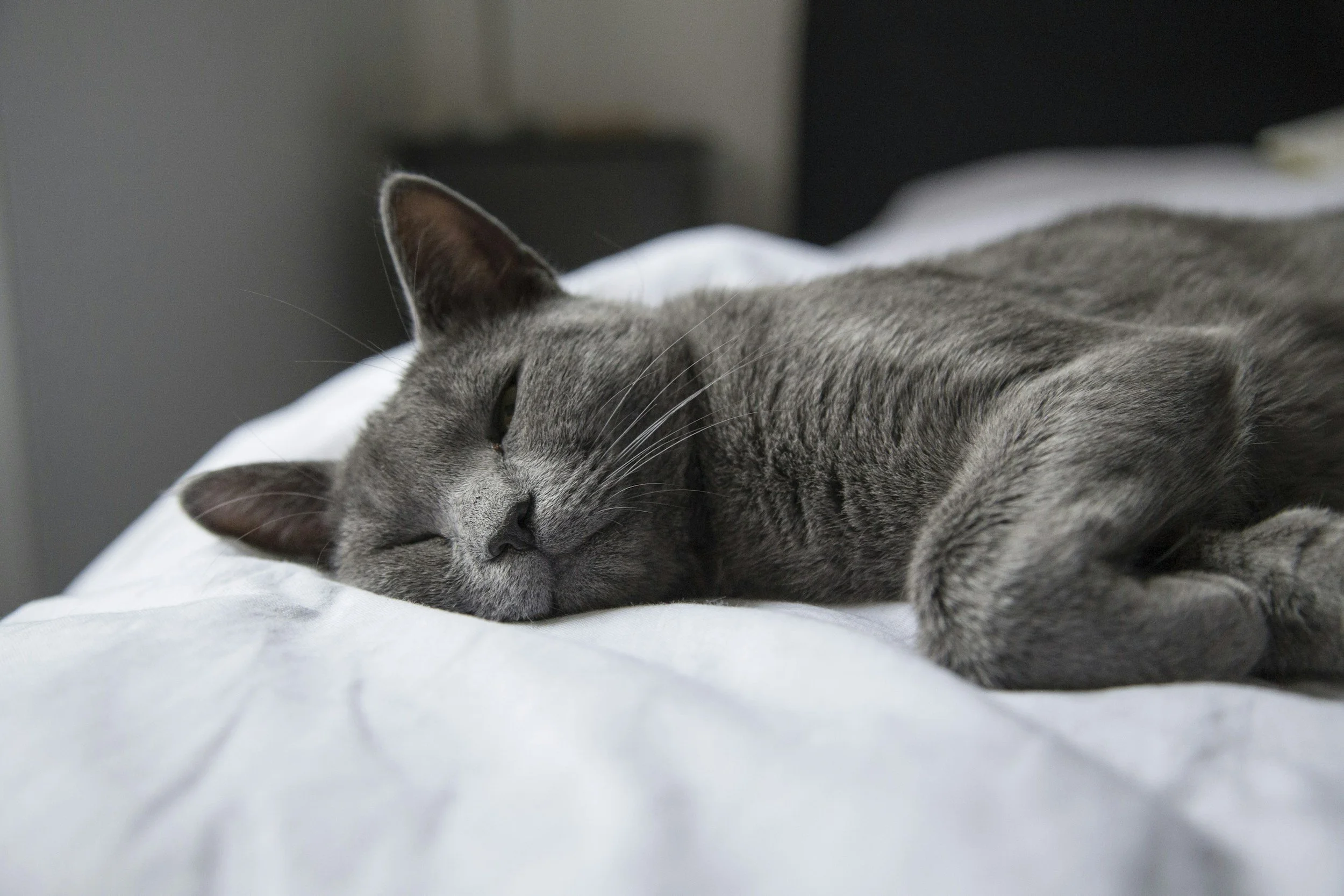
Inner peace is not found by escaping chaos. It is discovered by withdrawing authority from external pressure and reconnecting with your internal intelligence. This article reframes stillness as alignment rather than withdrawal.

Aloneness is not isolation. It is orientation. This piece explores how time alone recalibrates identity, reduces external noise, and reconnects you to your own internal process, especially in a civilisation that never stops.

We live in duality: the unconscious body that navigates life, and the conscious personality that observes it. This reflection clarifies why the body is designed for decision-making and why awareness is here to witness, not control.

Human Design is not a belief system. An exploration of Human Design as a lived, experimental framework for understanding difference, decision-making, and life with less resistance.

An exploration of spirituality in Human Design as alignment between body and observer, where the body navigates life and awareness arises through lived experience.
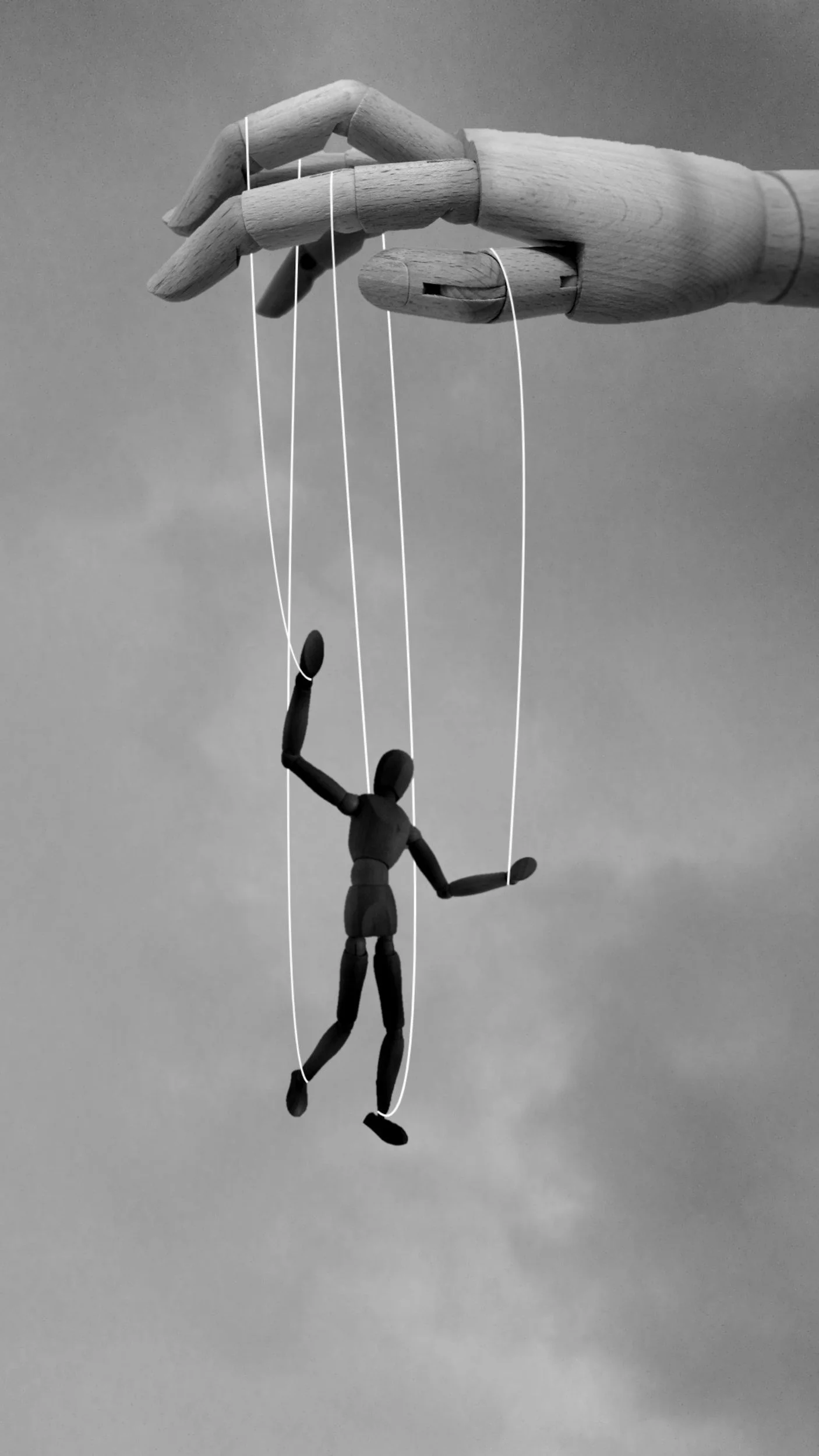
Understanding Inner and Outer Authority in Human Design reveals the difference between how we make decisions and how we share wisdom. Inner Authority guides the choices that keep you in integrity with your design; Outer Authority refines into the wisdom your mind offers to others. Learning to distinguish the two is the key to living your Design.

Human Design is not something to memorise or perform. It is something to live, one decision at a time. This piece explores the difference between intellectual knowledge and embodied alignment, and why real transformation happens through lived experience rather than analysis.

Humanity is programmed differently when it sleeps, which is approximately a third of its life. This state has fascinated humans from the beginning of time. The DreamRave is the design of the horizontal being.
An advanced layer of Human Design.

Much of what drives human behaviour is not authentic desire but conditioning. This article explores how external influence becomes internal authority, how the “not-self” operates, and why reclaiming sovereignty changes the trajectory of a life.