Live Your Design
Human Design is often approached as something to study, memorise, or master.
And for some people, it is studied, even professionally.
There are schools, certifications, and formal training pathways. The International Human Design School itself requires years of lived experimentation before anyone is recognised as an analyst. Not because information is insufficient, but because knowledge without lived experience has no grounding.
At its core, Human Design was never meant to remain an intellectual exercise. It was meant to be lived.
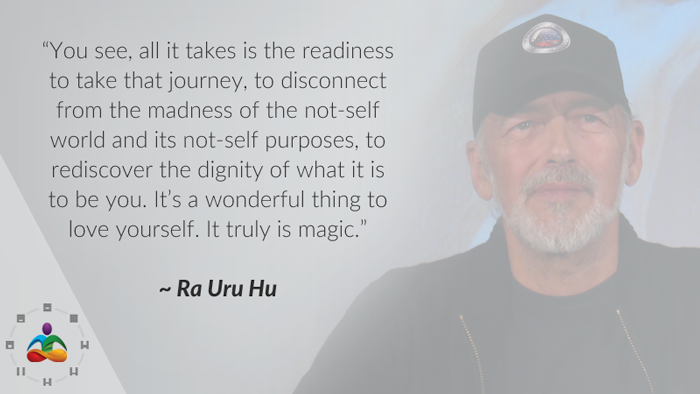
As Ra Uru Hu expressed it:
“Seeking is a way of life, it’s not an answer.
Human Design is about answers, simple, mechanical answers…
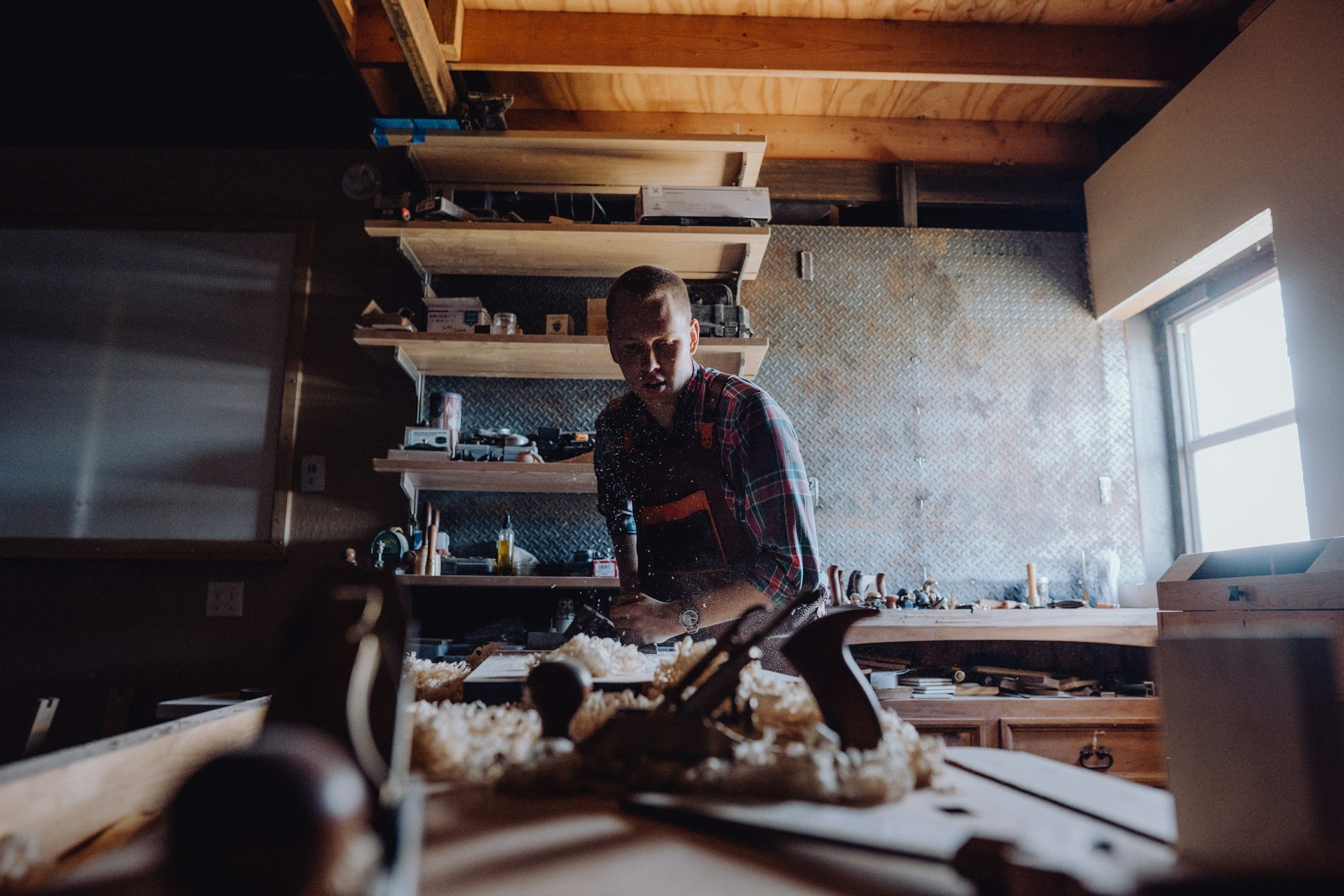
The whole thing about Human Design is that it’s not something to learn, it’s something to live...
You live this, one decision at a time. You live it.
You can’t play at this... but you can try.”
- Ra Uru Hu
That distinction matters.
Living mechanics, not accumulating knowledge.
Human Design can be learned intellectually. Many people do. But understanding concepts does not mean they are embodied.
It is entirely possible to know your chart, your channels, your authority, and still make decisions from the mind, from pressure, or from conditioning. Information alone does not change behaviour.
Design reveals itself through decision-making, not through analysis.
One decision at a time.
In ordinary life.
Without performance.
When Human Design remains theoretical, it becomes overwhelming. Too much information, too many interpretations, too many ideas layered on top of one another. When it is lived experientially, it simplifies.
Life becomes clearer because resistance becomes visible.
Why can it not be performed
Human Design does not work as a performance or a technique. You cannot simulate it for outcomes, nor use it to prove anything to yourself or to others.
You cannot lie to your body.
Frequency cannot be faked. Aura cannot be negotiated. You may try to act against your design, but the consequences will show themselves, not as punishment, but as friction.
Living your design does not stop life from happening. Cycles still unfold. Environments change. External forces move through us constantly. What changes is how you meet life, not whether life challenges you.
Orientation, not idealisation
Human Design is not about becoming a better person. It is not moral, aspirational, or corrective. It does not promise success, enlightenment, or ease.
It offers orientation.
Living according to your design does not remove difficulty, but it does reduce unnecessary struggle. When resistance appears, it becomes recognisable. You know what you are dealing with, rather than fighting an invisible force.
Stepping out of the shadow of conditioning
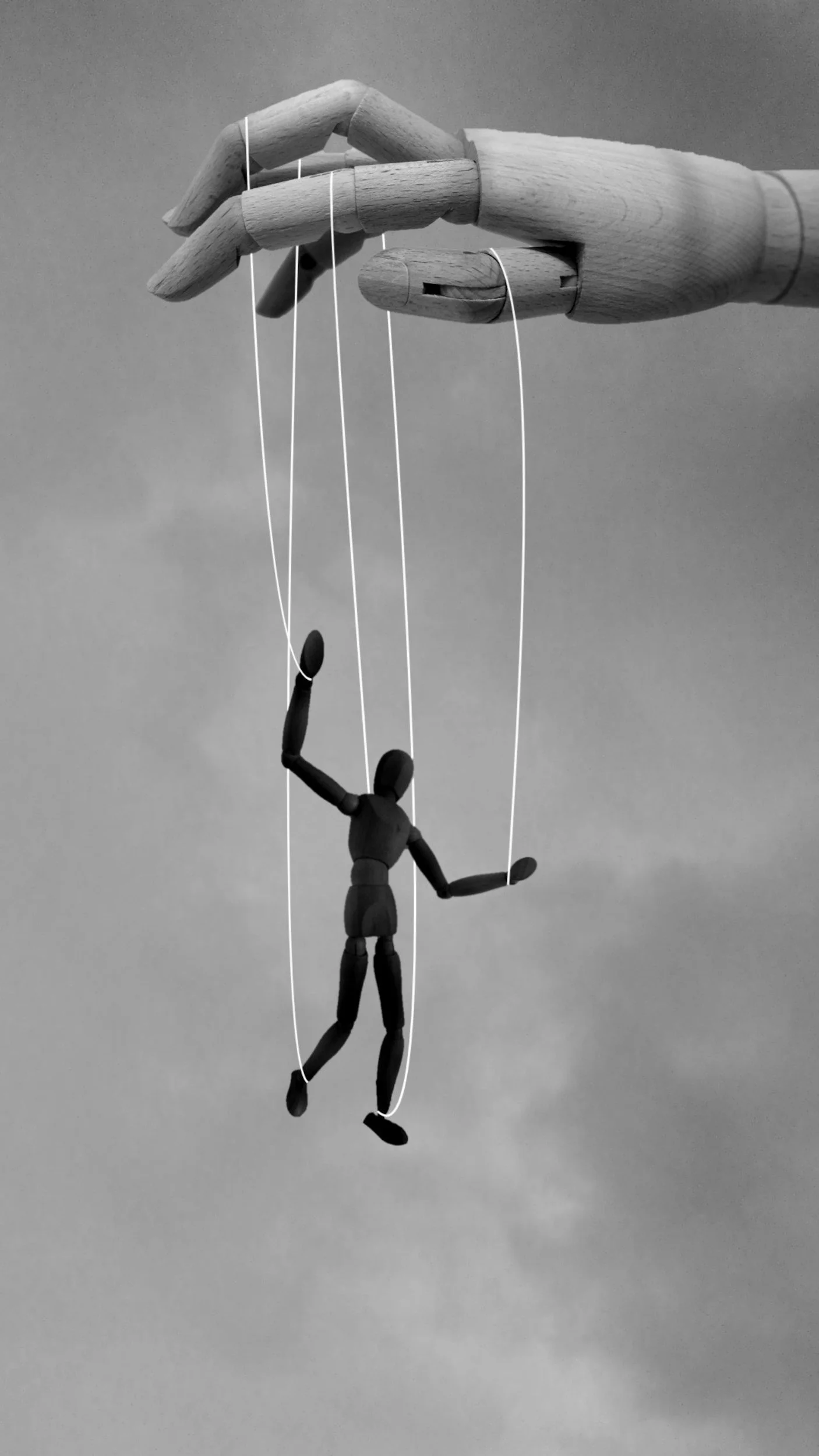
Much of modern life is organised around urgency, comparison, pressure, and external validation. These forces pull attention away from the body and into mental control.
Living your design gradually loosens that grip, not by withdrawal, but by inner authority.
Authority always brings clarity. Sometimes it brings closeness. Sometimes it brings stillness. Sometimes it brings a spontaneous movement that cannot be explained. But it is consistent in one way: it is not mental.
When decisions are made correctly for you:
comparison loses relevance
monitoring yourself lessens
self-trust replaces self-criticism
This is not self-improvement; it is self-recognition.
Nothing to prove
Living your design does not require convincing anyone. It does not require belief, nor does it require certainty.
It simply allows you to live as you are, without constantly negotiating with who you think you should, could, or must be.
And that, in itself, is enough.